

After four rate rises this year, check your rate rise letter for the new rate and repayment start date, then compare your rate with current offers, review your budget and buffer then decide whether fixing part of the loan makes sense. A broker review can show whether refinancing would save you money.
The letter from your bank probably looked harmless. A couple of paragraphs, a new interest rate and a new repayment amount starting 9 October.
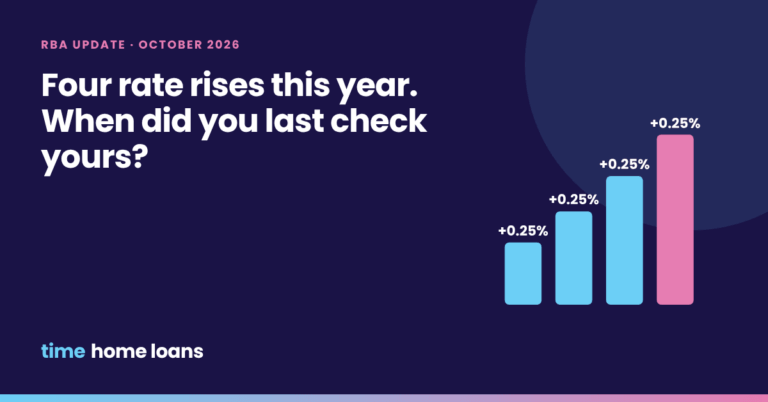
It was the fourth one this year.
The Reserve Bank lifted the cash rate by 0.25% in September, taking it to 4.60%. All four major banks passed the increase on in full and dozens of other lenders followed. Canstar now puts the average variable rate for owner-occupiers paying principal and interest at 6.75% (and plenty of borrowers are paying more than 7%).
And the conversation hasn't stopped. September inflation figures land on Wednesday 28 October and the RBA board meets again on 2 and 3 November. Some of the big banks expect another rise. Others expect a hold. Nobody knows for certain (including us).
So rather than guess what the RBA will do, let's focus on what you can control.
What a 0.25% rise looks like in real money
Example
- Loan balance: $600,000
- Term remaining: 30 years, principal and interest
- Repayment at 6.50%: about $3,792 a month
- Repayment at 6.75%: about $3,892 a month
- Difference: about $99 a month, or close to $1,200 a year
One rise is manageable for most households. Four in a row is a different story. It's a bit like a slow leak in a tyre: you don't notice the first few kilometres, then one morning the car is pulling hard to the left.
Five things to check on your home loan now
- Your actual rate. Not the rate you started on. Log in and look at the rate you're paying today. If you've been with the same lender for a few years there's a fair chance new customers are being offered something sharper.
- When your fixed rate ends. If you fixed in the last few years, the jump to a variable rate at expiry can be significant. Knowing the date gives you time to plan rather than react.
- Your offset and redraw. Money sitting in an everyday account earns little. The same money in an offset account reduces the interest you're charged on your loan.
- Your other debts. Car loans, personal loans and credit cards often carry far higher rates than a home loan. It's worth understanding the whole picture (and what consolidating might cost you over the long term) before making any changes.
- Your buffer. How many months of repayments could you cover if something unexpected happened? If the honest answer is "not many", that's the place to start.
Should I fix or stay variable?
It's the question we're asked most at the moment. The short answer is that it depends on your circumstances, your plans and how much certainty you need in your budget.
Fixing gives you a known repayment for a set period. Staying variable keeps flexibility (extra repayments, offset, the ability to refinance without break costs). Many borrowers split the difference and do both. There's no right answer for everyone, which is exactly why it's worth talking it through.
Should I refinance after a rate rise?
Refinancing isn't always the answer. Lender fees, government charges and the time involved all count. And with each rate rise, serviceability gets tighter: some borrowers who could have refinanced 12 months ago can't today.
But it's still worth asking the question. Sometimes the first step is simply asking your current lender for a better rate. People will spend an hour hunting for a discount code on a pizza and never pick up the phone to ask their bank for a rate review.
Hot Tip: Before you call your lender, find out what rate they're offering new customers on a similar loan. That number is your starting point.
Book a complimentary Rate Rise Health Check
We're offering existing and past clients (and anyone else who's feeling the squeeze) a complimentary Rate Rise Health Check. We'll look at your current rate, your loan structure and your options across our panel of 50+ lenders. If the right answer is to stay where you are, we'll tell you.
There's no broker fee to you at any stage. We're paid by the lender if you go ahead with a new loan.
Book your Rate Rise Health CheckThis information is general in nature and does not take into account your objectives, financial situation or needs. Consider whether it is appropriate for you and seek professional advice before making any financial decision. Example figures are illustrative only and are not a quote. Rates quoted are market averages from Canstar as at October 2026 and are subject to change. All loans are subject to lender approval, terms and conditions.