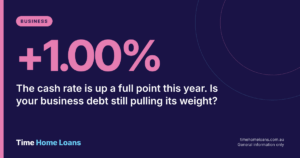
Higher rates? Make your business debt work harder
Higher rates mean more of your cash flow goes to interest. Three ways to review your business debt and the catch with each.

Higher rates mean more of your cash flow goes to interest. Three ways to review your business debt and the catch with each.
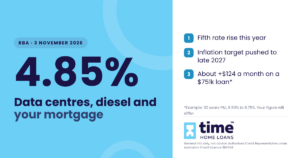
The RBA lifted the cash rate to 4.85% on 3 November 2026. Here’s what’s really behind it and what it means for your home loan.

The RBA lifted rates into a falling property market. Here’s how Brisbane buyers can weigh the opportunity against reduced borrowing power.
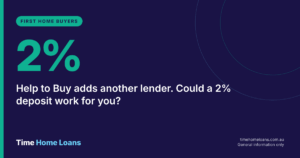
Help to Buy lets eligible buyers purchase with a 2% deposit. Here’s how the government’s equity share works.
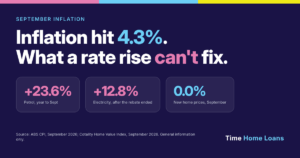
Annual inflation rose to 4.3% in September, driven mostly by petrol and power bills. Here’s what a rate rise can and can’t fix and what it could cost you.

That little line on the receipt is gone. Since 1 October businesses can no longer add a surcharge when a customer pays by card. The merchant fees haven’t gone anywhere though. Your bank or payment provider still charges them. The only difference is who wears the cost. From now on
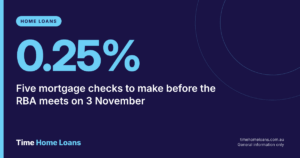
Before the next RBA decision, check five things on your home loan: your interest rate against current offers, your repayment amount, your cash buffer, how your offset account is working and whether your loan structure still suits you. Each takes minutes and can save you money whichever way rates move.

When you win work before the money arrives, the gap between paying staff and getting paid can strain cash flow. Options include an overdraft or line of credit, invoice finance, short-term business loans and equipment finance for vehicles and tools. Lenders look at your trading history, contracts and cash flow