

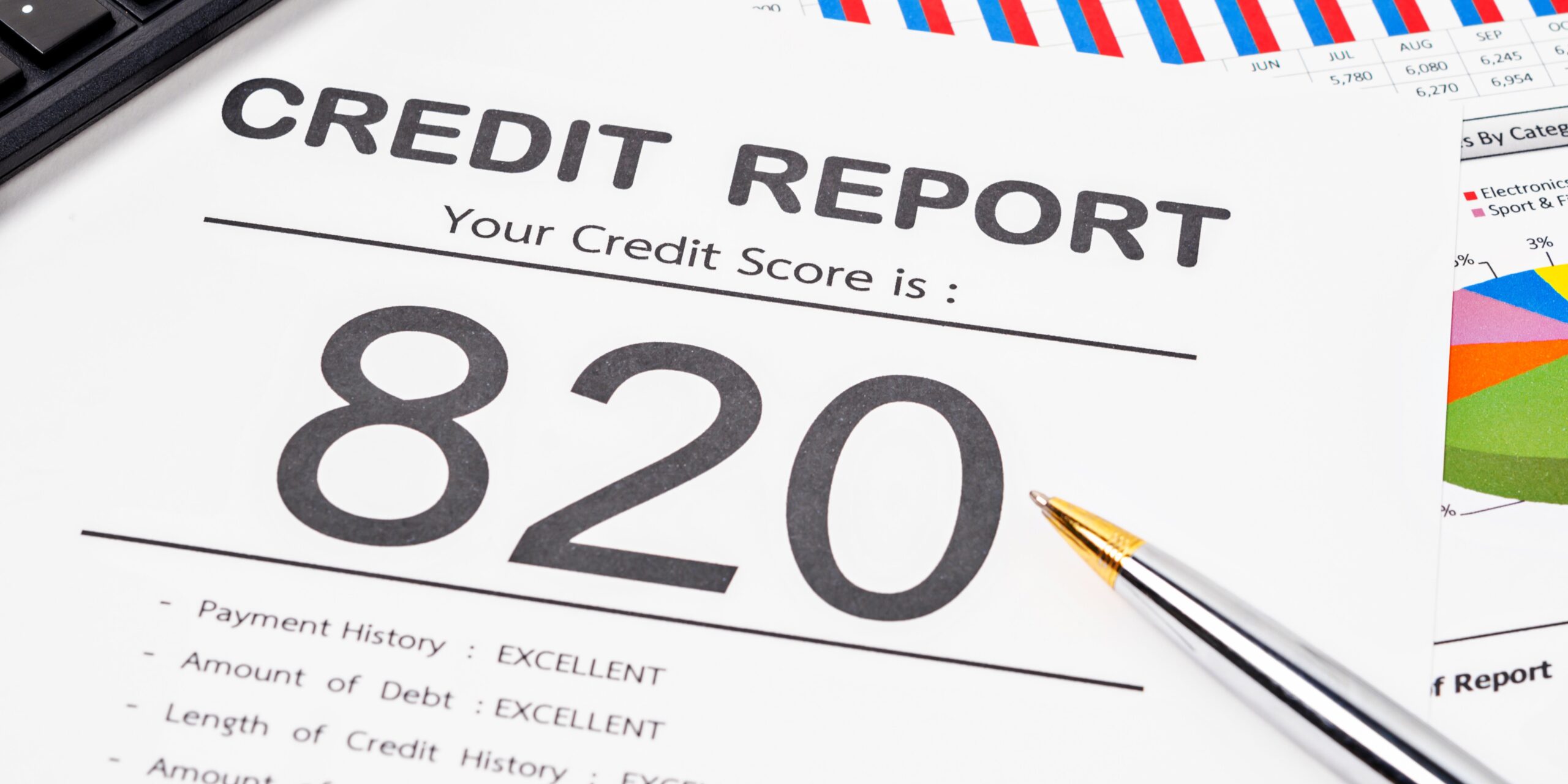
Your credit file shows lenders how you’ve handled credit, including on-time and missed repayments under comprehensive credit reporting. A stronger score can widen your choice of lenders and rates. You can check your file with the credit reporting bodies and fix errors before you apply.
Comprehensive Credit Reporting, or ‘Positive Reporting’ is here. And while the banks may not be happy about sharing their customers’ information with other banks, borrowers like you stand to benefit a lot more.
Comprehensive Credit Reporting is a new set of government-mandated rules for banks, where they have to share more detailed credit information about you. Some of you may initially be a bit concerned about the thought of more of your private information being known, but the important difference about this data is that it’s what’s called, positive information.
Traditionally the banks have only shared the negative facts about your borrowing. These are things like credit applications, defaults, overdue payments of loans and bills and bankruptcy. Now they also have to share the good news. Rather than being penalised for missed payments, you’ll be rewarded for paying on time and demonstrating responsible money management like closing credit cards when they’re no longer needed.
A more comprehensive and balanced view means lenders can get a clearer picture of your finances and make assessments based on your individual financial behaviour.
What is comprehensive credit reporting?
The policy was announced by then Treasurer Scott Morrison in late 2017.
“This will be a game-changer for both consumers and lenders, and will lead to greater competition in lending and naturally provide better access to finance for Australian households and small businesses,” he said.
“For borrowers, this regime should lead to one thing – a better deal on your mortgage, your personal loan or business loan.
“If you have a good credit history – you’re paying down your mortgage, you haven’t missed a payment on your car loan and your credit cards are under control – you will be able to demand a better deal on your interest rates, or shop around, armed with your data.”
What lenders see on your credit file
There’s no doubt this new system will change the lending landscape in Australia and lead to more responsible behaviour from the banks and other lenders. Ultimately it’s you, as an individual customer or a small business owner, that will benefit.
How your credit score affects your home loan
As a borrower, the new regulations are designed to make it better for you. Needless to say, the more your credit rating score is, the more you stand to benefit.
When a lender can get a clearer picture of your individual financial situation, they can better calculate your risk and potentially tailor an interest rate for you to give you a better deal.
They’ll look at your positive behaviour over a 24-month period, which can help balance any one-off blemishes like a missed payment.
If you haven’t had a long history of borrowing, lenders can now look at loan repayments to assess your general patterns of paying on time and credit worthiness. Lenders can also see how many credit facilities, including limits, that you have open. This may require you to close or reduce the limits if you apply for credit. Don’t worry, I can help you through this process.
And if you have a poor credit score you can still benefit. Greater transparency makes it much easier to see what you need to do to improve it, such as paying loans on-time and closing any credit cards that you don’t need.
How to check your credit score
With more information at hand, lenders can better assess an individual’s risk. This will lead to more responsible lending and help them reduce bankruptcies and bad debts.
A better understanding of the market and individuals means more tailored solutions and less of a one-size-fits-all approach. This should encourage more innovation, competition and new products from banks.
How to improve your credit score before applying
At the individual level, when you’re more informed, you’re more empowered. When you understand your financial position and how you’re seen in the eyes of the bank, you can make the most of it – or make changes to improve your situation.
It does add another layer of understanding to borrowing that has to be considered. And improving your financial literacy is where I can help.
The adoption of more open banking practices is designed to promote more responsible lending, which is something mortgage brokers strive to achieve every day. It’s not in anyone’s interest to have an unaffordable mortgage – for you, the lender or the broker.
With a more challenging lending environment, making the most of your broker’s expertise is more important than ever.
Since April 2015 the number of individual products a broker could offer you has more than doubled and now sits in the thousands. If you’re on your own, it’s not really possible to be across all your options.
Another important thing to consider with the new reporting guidelines is that making multiple credit enquiries can have a negative impact on your score. Using a broker as your one point of contact and letting them shop around for you, is a smart way to avoid this potential pitfall.
And if your credit score is not what it should be, there are steps you can take to improve things.
So, to find out about your credit score and how it can affect your ability to borrow, it’s a good idea to have a chat with me. Even if you’re not in the market for a new loan right now, it’s good for you to understand how any changes may affect your current loans and any potential advantages if you decide to refinance.
Let me know a good time to catch up. I’m available at a time that suits you.
Any advice contained in this article is of a general nature only and does not take into account the objectives, financial situation or needs of any particular person. Therefore, before making any decision, you should consider the appropriateness of the advice with regard to those matters. Information in this article is correct as of the date of publication and is subject to change.
Related: home loan pre-approval · debt consolidation
How to improve your credit score
- Pay every bill and repayment on time, including phone and utility bills.
- Limit new credit applications: each one is recorded on your file.
- Lower the limits on credit cards you don’t need, or close them.
- Get a copy of your credit report each year and ask the credit reporting body to fix any errors.